Well-Drilling Contractors: How the Process Works
Step 1: Site Evaluation and Water Source Planning
The first step in any well installation is a thorough site evaluation. Professional contractors assess the property to determine the best location for drilling. This involves reviewing geological maps, studying soil conditions, and identifying potential groundwater sources.
Well-drilling contractors consider several important factors:
- Distance from septic systems and potential contaminants.
- Local groundwater depth and aquifer conditions.
- Accessibility for drilling equipment.
- Compliance with Licking County and Ohio health regulations.
Proper site selection ensures water quality and protects long-term performance. This stage is critical, as drilling in the wrong location can lead to inadequate water supply or contamination risks.
Step 2: Permits and Regulatory Compliance
Before drilling begins, necessary permits must be secured. Ohio has specific health and environmental regulations that govern private well construction. Reputable well-drilling contractors in Newark, OH, handle the permitting process and ensure all documentation is properly filed.
Professional contractors follow strict guidelines related to:
- Minimum setback distances.
- Approved well casing materials.
- Proper sealing techniques.
- Health department inspections.
By working with licensed experts, homeowners and developers can feel confident that the installation meets all state and local standards. Compliance protects both your water supply and your property value.
Step 3: Mobilizing Equipment and Preparing the Site
Once permits are approved, the drilling team prepares the site. This includes clearing the area, positioning equipment, and confirming final measurements.
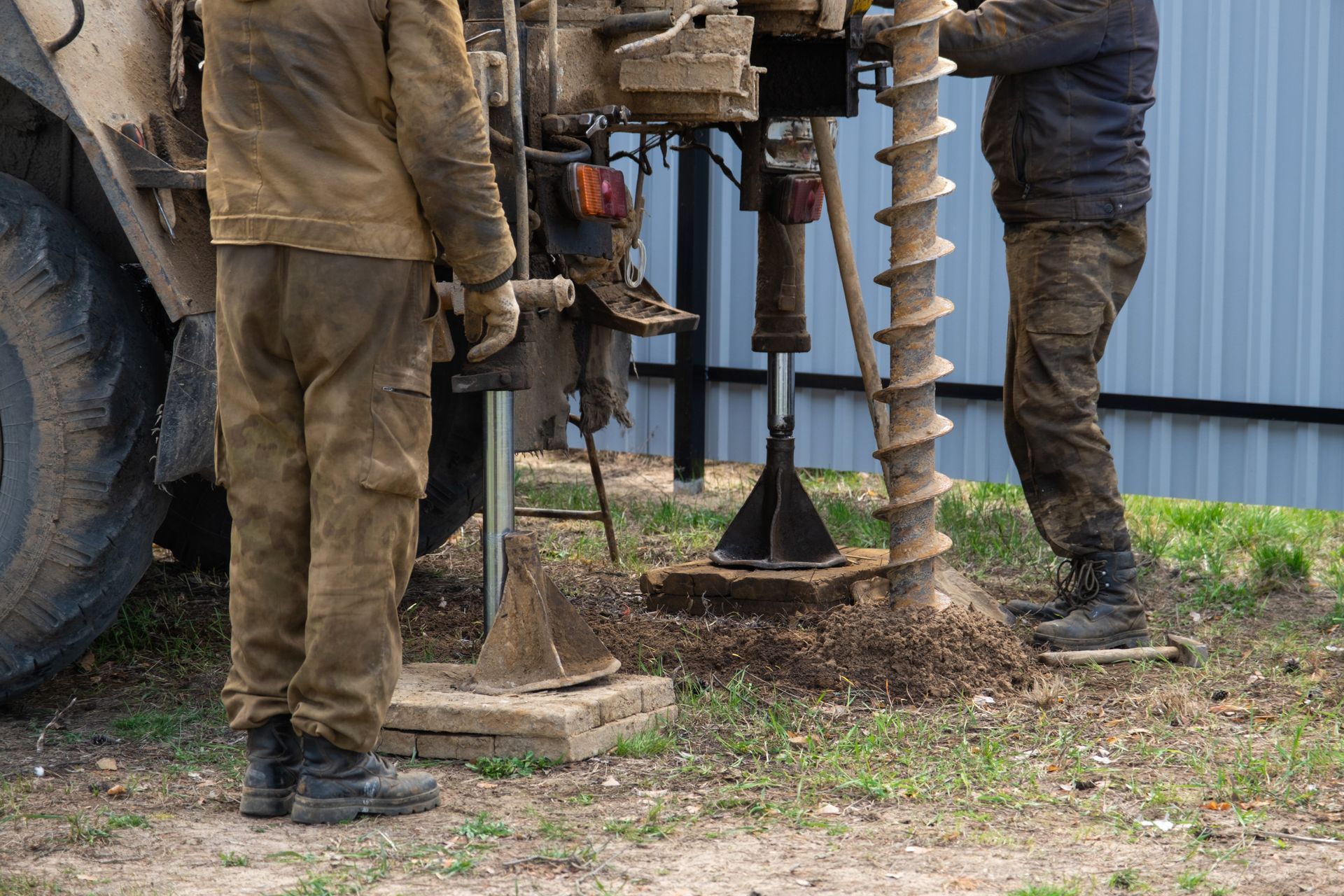
Modern drilling rigs are powerful machines designed to bore deep into the earth with precision. Experienced well-drilling contractors in Newark, OH, use advanced equipment that allows them to reach the appropriate depth safely and efficiently.
During this phase, contractors prioritize:
- Protecting surrounding landscaping.
- Maintaining safe work zones.
- Ensuring accurate alignment of the drilling site.
Preparation sets the stage for a smooth drilling operation and minimizes disruptions to the property.
Step 4: The Drilling Process
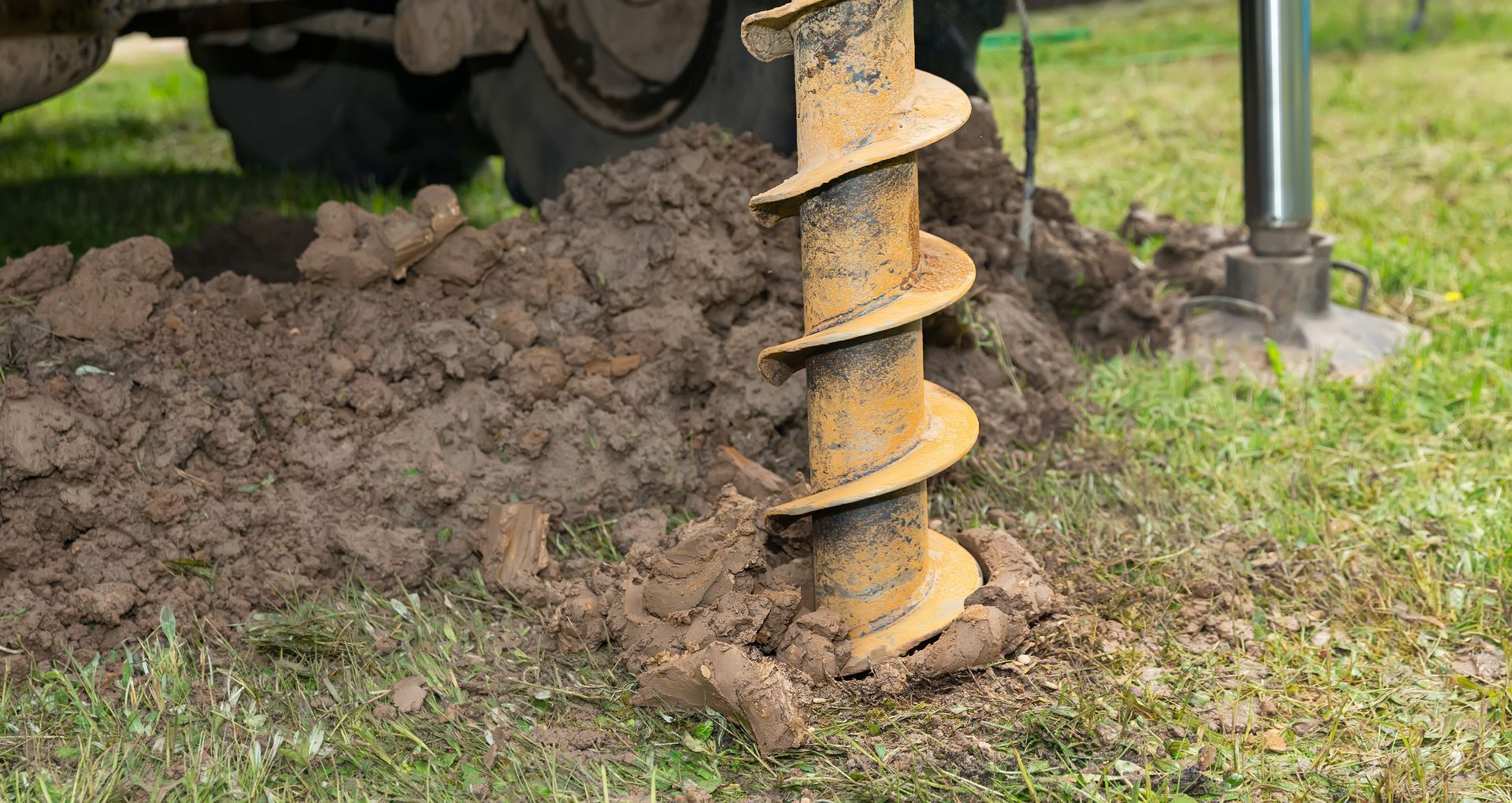
With everything in place, the actual drilling begins. The contractor drills through layers of soil, clay, and rock until reaching a productive aquifer. The depth varies depending on local groundwater conditions, but each step is carefully monitored.
Professional well-drilling contractors in Newark, OH, track:
- Soil and rock formations.
- Water yield levels.
- Depth measurements.
- Structural stability of the borehole.
As the borehole is created, a steel or PVC casing is installed to prevent collapse and protect the water source from surface contamination. Proper casing is essential for maintaining long-term water quality.
The space between the casing and the surrounding earth is sealed with grout. This protective seal blocks contaminants from entering the well and ensures compliance with state regulations.
Step 5: Installing the Well Pump and System Components
After drilling and casing are complete, the next step is installing the pump system. The pump draws water from the aquifer to your home or property. Contractors select a pump based on depth, water demand, and system requirements.
Components typically include:
- Submersible pump.
- Pressure tank.
- Electrical connections.
- Control systems.
Experienced well-drilling contractors in Newark, OH, ensure proper sizing and professional installation to maximize efficiency and longevity. An improperly sized pump can lead to inconsistent water pressure or premature system failure.
Step 6: Water Testing and Inspection
Water quality testing is a critical final step. Before the well is placed into service, the water must be tested to confirm it meets safety standards.
Testing may include:
- Bacteria screening.
- Mineral content analysis.
- pH level checks.
- Iron or sulfur testing.
Local health departments often require inspections before approving the well for use. Professional well-drilling contractors in Newark, OH, coordinate these inspections and address any concerns that arise.
Testing ensures the water is safe for drinking, cooking, irrigation, and household use. If necessary, contractors can recommend filtration or treatment systems to improve quality.
Step 7: Final Setup and Ongoing Maintenance Guidance
Once approved, the well system is fully connected and operational. Contractors provide homeowners with instructions on maintaining the system and monitoring performance.
Routine maintenance includes:
- Annual water testing.
- Inspecting electrical components.
- Checking pressure tank performance.
- Monitoring water output.
Trusted well-drilling contractors in Newark, OH, often offer ongoing service and support to protect your investment long-term. Regular maintenance extends the lifespan of the well and helps avoid costly repairs.
Why Hiring Professional Contractors Matters
While some property owners may be tempted to cut costs, professional expertise is essential in well installation. Licensed well-drilling contractors in Newark, OH, bring specialized knowledge, technical training, and regulatory awareness that cannot be replicated through guesswork.
Professional contractors ensure:
- Compliance with Ohio health and safety regulations.
- Proper well depth and casing installation.
- Accurate pump sizing.
- Safe sealing and contamination prevention.
- Reliable long-term water access.
Cutting corners during drilling can lead to water contamination, low yield, structural failure, or expensive repairs. Working with qualified experts protects both your water supply and your property value.
What to Expect During the Timeline
The timeline for well-drilling varies depending on soil conditions, permitting requirements, and depth. In many cases, the physical drilling process can be completed within a few days. However, planning, permitting, and testing may extend the overall project timeframe.
Clear communication from experienced well-drilling contractors in Newark, OH, ensures you understand each stage and know what to expect. Reliable contractors provide realistic timelines and keep projects moving efficiently.
Long-Term Benefits of a Professionally Installed Well
Investing in a private well offers several advantages:
- Independent water supply.
- Potential cost savings over municipal water.
- Access to natural groundwater.
- Increased property value.
When installed correctly, a well can provide decades of dependable service. The key is partnering with reputable, well-drilling contractors in Newark, OH, who prioritize quality workmanship and regulatory compliance.
Contact Keen Well and Pump in Newark, OH, Today
If you are planning a new well installation, trust the experienced team at Keen Well and Pump. As leading well-drilling contractors in Newark, OH, they deliver safe, compliant, and dependable well systems built to last. Call (740) 397-7336 today to schedule your consultation and secure a reliable water source for your property in Newark, OH.